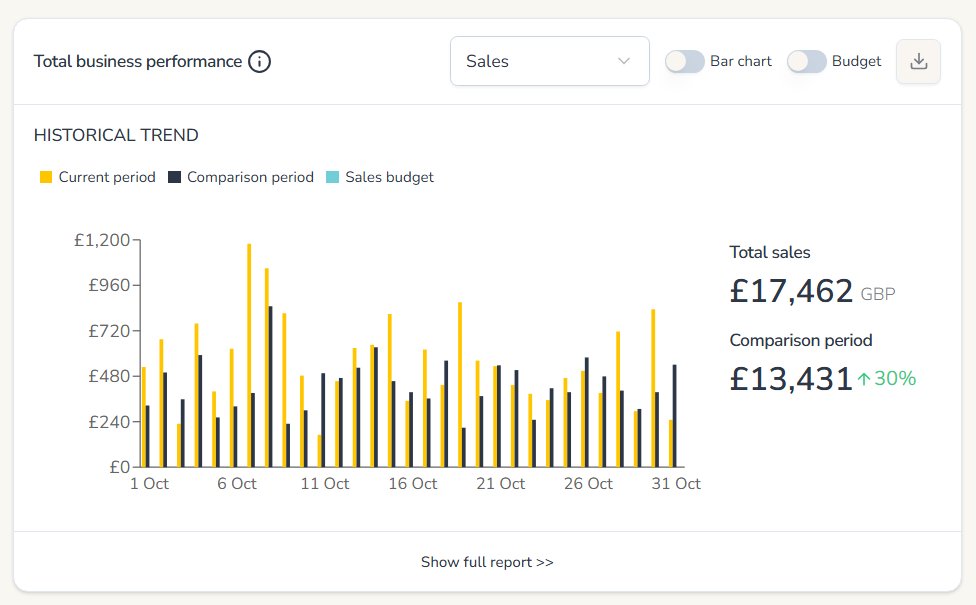
A UK jewellery brand operating at 15% gross margins was approaching Prime Big Deal Days (Oct 7–8, 2025). The default advice from every corner of the industry was the same: submit a deal, offer a Prime Exclusive Discount, increase the ad budget, and ride the traffic wave. The problem was the maths. At 15% margins, a mandatory 20% discount does not just reduce profit — it turns every sale into a 5% loss before ad spend is even factored in.
We held full pricing across the entire catalogue. No deals, no coupons, no Prime Exclusive anything. The strategy rested on one insight: Prime Big Deal Days floods Amazon with buyers already in purchase mode. A well-ranked listing with strong organic visibility captures that halo traffic at full margin — no deal badge required.
| Scenario | Revenue | Discount | Deal fee | Profit |
|---|---|---|---|---|
| No participation (actual) | £2,200 | £0 | £0 | +£330 |
| Prime Exclusive Discount (20%) | £1,760 | £440 | £40 | -£88 |
| Lightning Deal (20%) | £1,760 | £440 | £390 | -£438 |
| Best Deal (15%) | £1,870 | £330 | £780 | -£830 |
Amazon markets Prime Big Deal Days as an opportunity. For thin-margin brands, it is often a trap. This brand's best two sales days of October came with zero discounts and zero deal fees. The 30% monthly lift is the headline. The margin they kept is the real story.
The question is never simply participate or do not. It is whether the maths work at your margin profile. For a brand at 15% gross, every participation scenario was a guaranteed loss. The discipline to hold pricing — and trust the organic rank — was the only path to a profitable October.