This brand had been selling a high-ticket automotive product on Amazon UK at £360 for over two years — a price that was stable, trusted, and well within Amazon's Buy Box expectations. Then their distributors and partners moved the product to £395 across all platforms, and Amazon was next.
The moment the price went up, the Buy Box disappeared. The product had held the same price for over two years, and Amazon flagged the sudden jump as a potential customer dissatisfaction risk. With the Buy Box gone, it was costing the brand sales every single day.
For an FBM product where customers also pay shipping and VAT on top, the landed price had jumped significantly. Amazon evaluates what the customer actually pays — not just the list price.
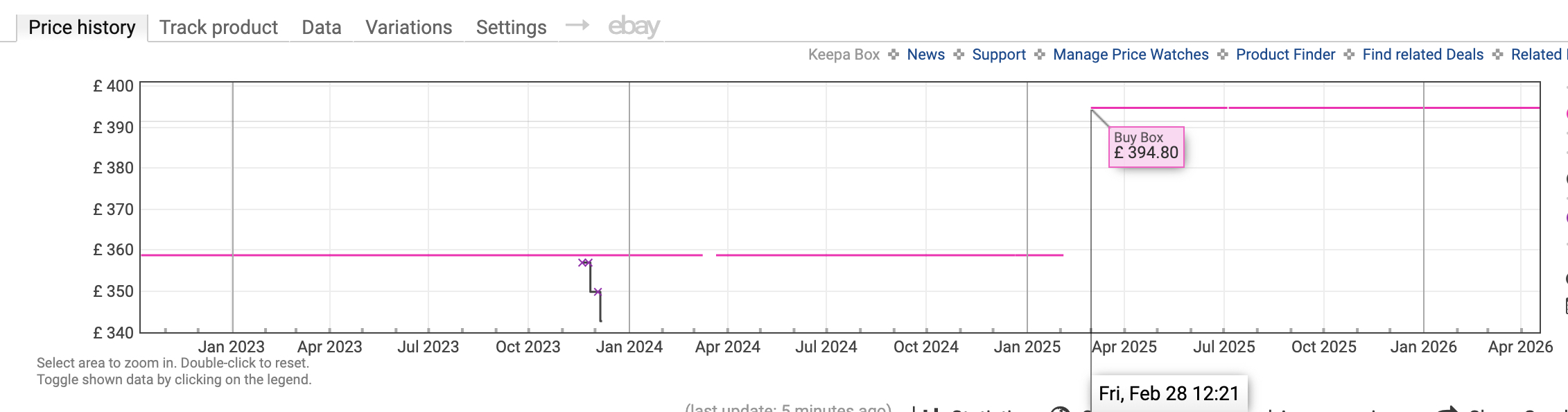
Amazon's Seller Support demanded proof of legitimacy and confirmation the new price was justified. The client refused to lower the price — their distributors had already adopted the new pricing everywhere, and reverting would damage those relationships. Weeks passed with zero sales. The risk of losing the client entirely was very real.
Seller Support is not always the answer — and waiting on them while sales are bleeding is not a strategy. Sometimes the simplest move is the right one. Find the evidence Amazon is asking for, give it to them, and move on.
For high-ticket products that have held a stable price for years, any sudden increase triggers Amazon's price fairness algorithm. When incremental pricing is not an option due to distributor relationships, you need a different angle entirely.