Amazon is filled with sellers of all sizes — from small operators running 1 to 5 products doing four to five figures a month, all the way to enterprise-level brands with 1,000+ products doing six to seven figures. If you sit somewhere in the small to medium category, the question of whether to hire an agency is one you will eventually face. Is it actually worth the money?
A typical Amazon marketing agency today starts at around $1,000 per month — regardless of how many SKUs you have or how many marketplaces you sell on.
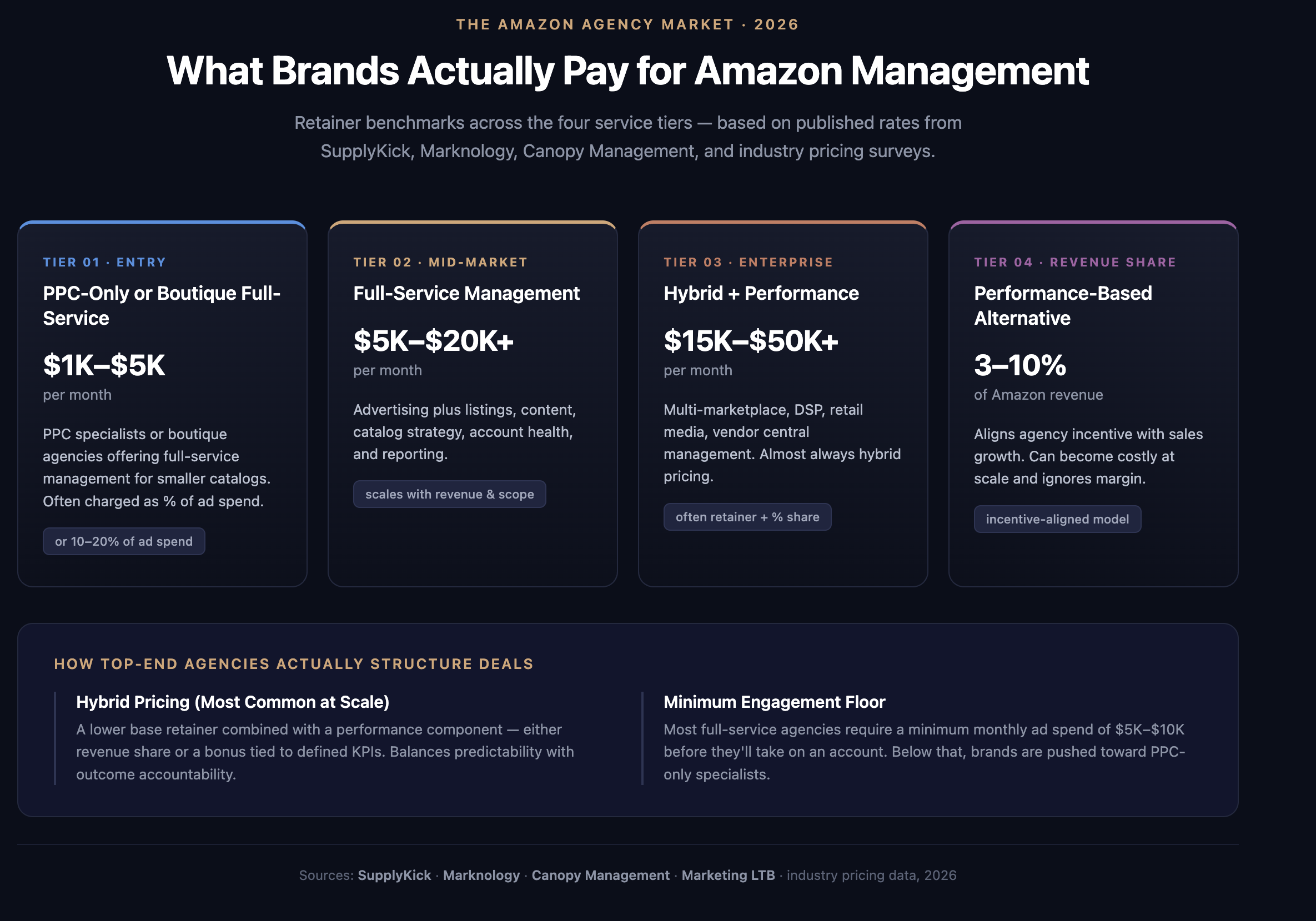
Before you sign anything, you need to know exactly where you stand financially — and whether the numbers actually work for your product. Most brands fall into the trap of hiring an agency to do the heavy lifting, without first checking if their margins can support it.
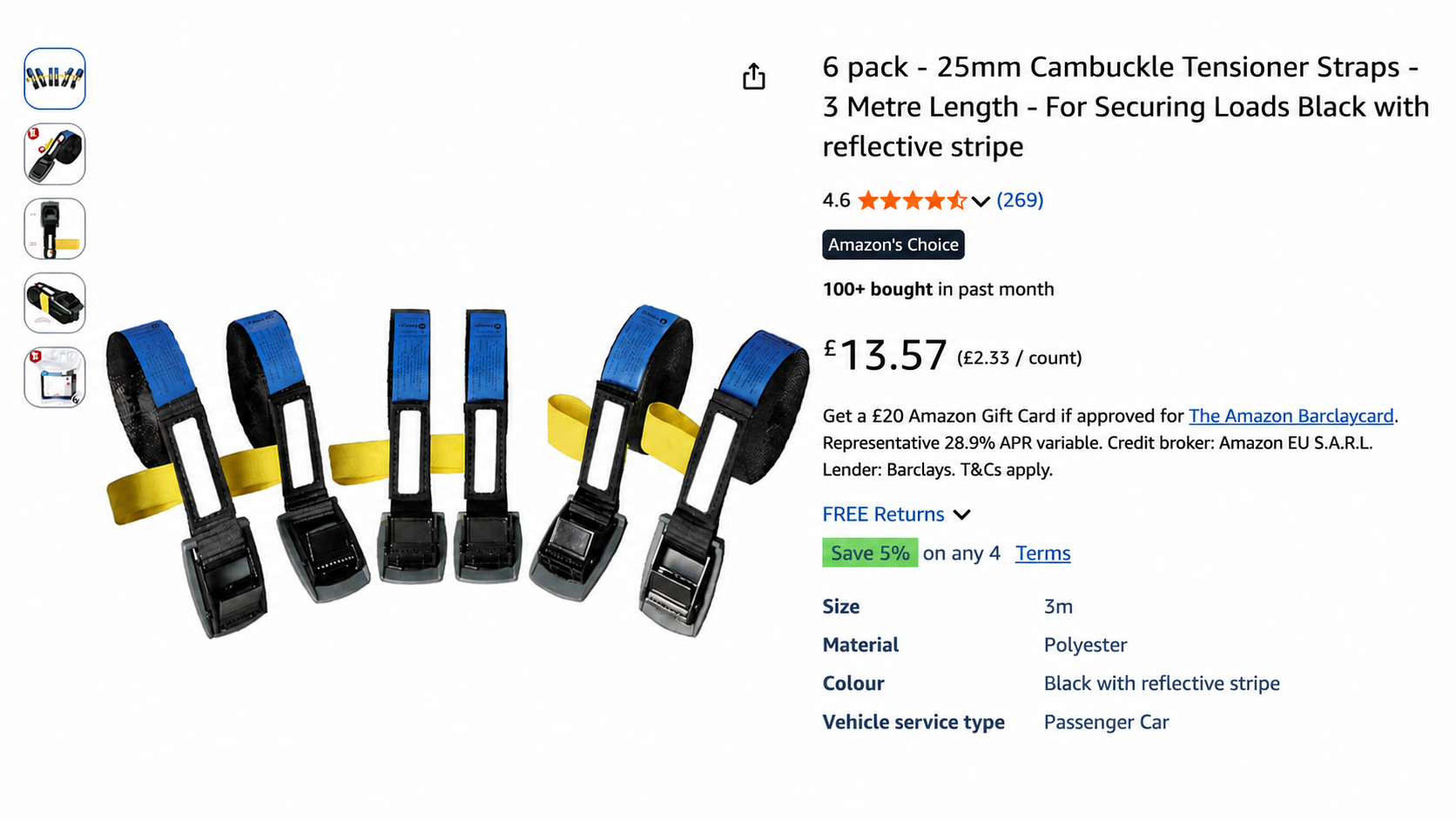
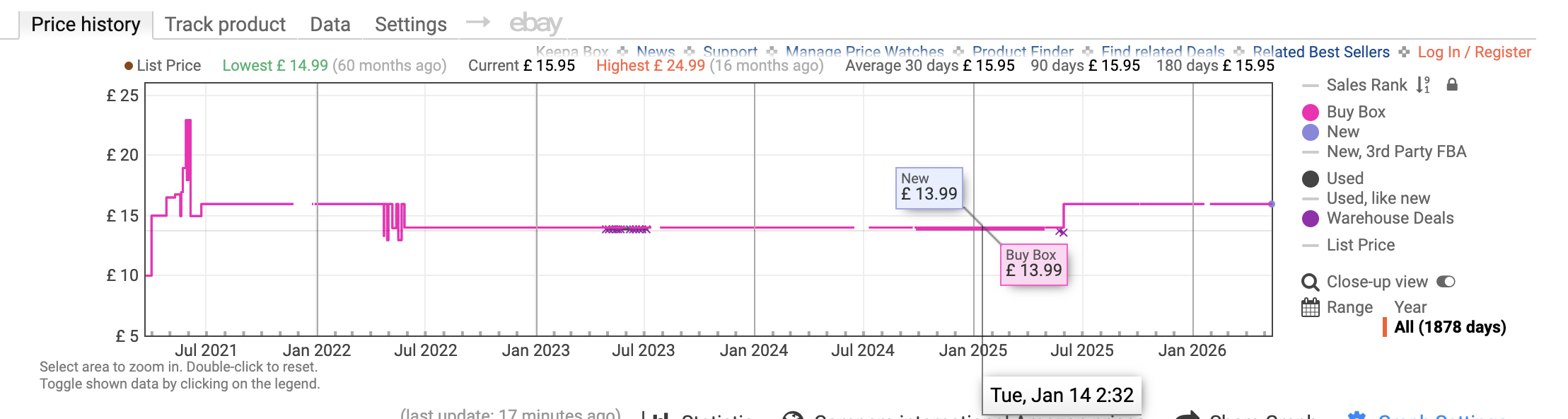
Consider a real product I handled in 2025. An automotive hardware product priced at £13.57 with the Amazon Choice badge, selling 100+ units per month, and ranking in the top 3 to 20 of its subcategory — almost always on page one of Amazon search results.
On the surface, this looks like exactly the kind of product you would want an agency to scale. It is already a top seller in its subcategory. So why not invest in an agency and grow it further?

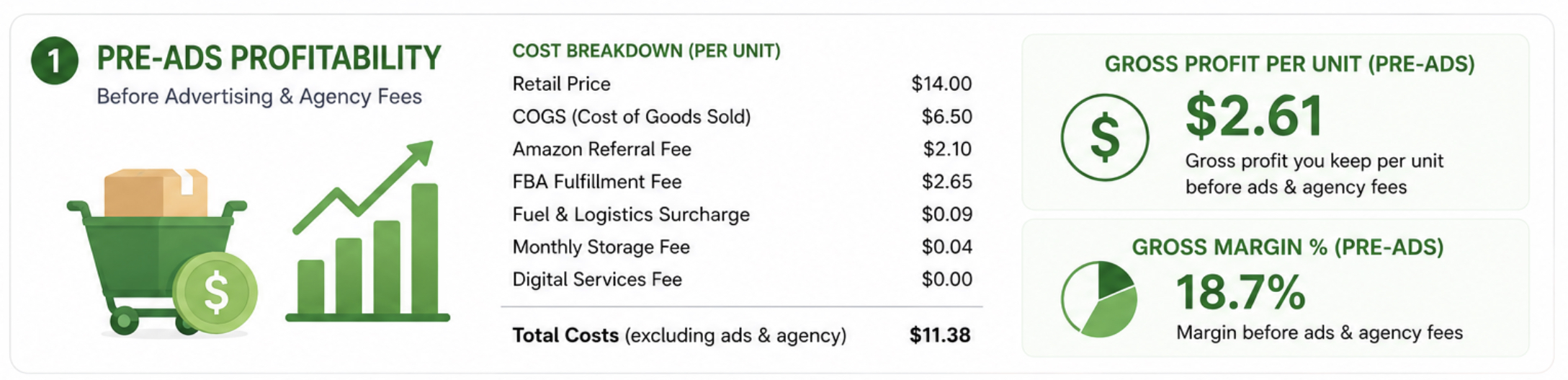
When you break down all the costs on this product, the picture gets uncomfortable fast. COGS account for 47% of the retail price. Amazon fees take a further 35%. That leaves a gross profit margin of just 18.6% before a single pound is spent on advertising or agency fees.
Now comes the part most sellers do not think through carefully enough. If you are hiring an agency for $999 per month, you should also be running advertising through them — otherwise what are you paying for? A reasonable monthly ad budget for a product at this level is $1,500, targeting a TACoS of 10%.
Anything below 10% TACoS suggests you are under-investing in advertising and not getting full value from the agency. But anything too aggressive and you are bleeding margin on every unit sold.
At 10% TACoS and a $999 retainer, here is what happens to the margin:
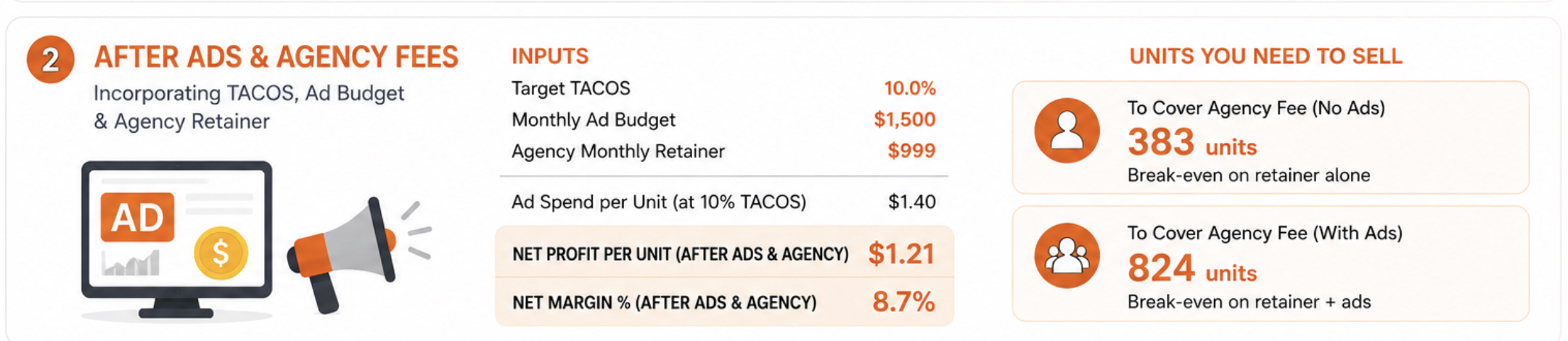
Net margin drops to 8.7% after ads and agency. To cover the agency retainer alone, this product needs to sell 383 units a month. To cover the retainer plus the full ad budget, it needs to sell 824 units a month. This product was selling 100 units a month — not even close.
A minimum 30% net margin after all costs — ads, agency, and fees — is the floor you should be targeting to make the agency relationship genuinely worthwhile. Anything below that and you are essentially funding the agency's business more than your own.
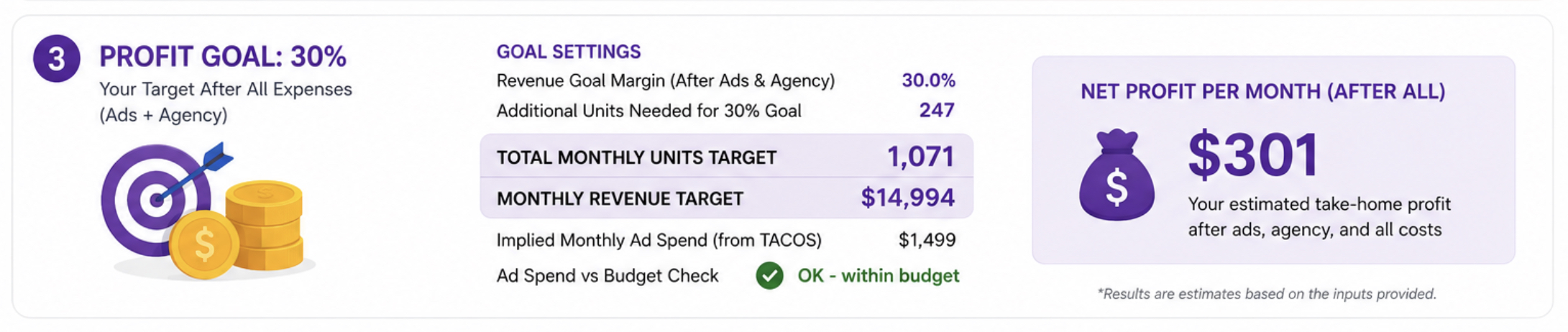
To hit a 30% net margin after all costs on this product, the seller needs to move 1,071 units per month at a revenue target of nearly $15,000. The product was doing 100 units a month — and it was already on page one of its subcategory.
The hard question is: are you at the stage where you are selling 1,000+ units a month? If not, the agency will cost you more than it makes you.
Getting an agency is not a growth strategy on its own. It is a multiplier — and multipliers only work if there is already something worth scaling. If your margins are thin, your unit volumes are low, and your net profit barely covers your own costs, adding a $1,000+ monthly retainer on top will not fix the business. It will accelerate the losses.
Do the maths before you sign. Know your break-even unit count. Know whether your monthly net profit can absorb the cost. If the numbers do not work before the agency, they will not magically work after.