A GPS tracker brand held a strict no-discount policy across both 2025 Prime events — July Prime Day and October Prime Big Deal Days — in their UK and US Amazon marketplaces. Zero deals submitted. Zero discounts offered. Zero deal fees paid.
The 2024 comparison figures look dramatic because 2024 sales were depressed by inventory stockouts. The meaningful number is not the percentage lift — it is that every pound and dollar above was earned at full margin.
| Marketplace | Month | Total Sales | Standout Day |
|---|---|---|---|
| UK | July 2025 | £39,977 | Jul 21 (~£2,300, post-event) |
| US | July 2025 | $84,990 | Jul 19 (~$5,800, post-event) |
| UK | October 2025 | £24,578 | Oct 7 (~£1,750, Prime Day itself) |
| US | October 2025 | $39,934 | Oct 9–10 (~$2,600/day, post-event) |
The same strategy produced four genuinely different sales patterns across the UK and US during July and October. In three of these four scenarios, the highest sales day fell outside the event window. "Prime Day equals your best days" is a marketing assumption, not a data reality.
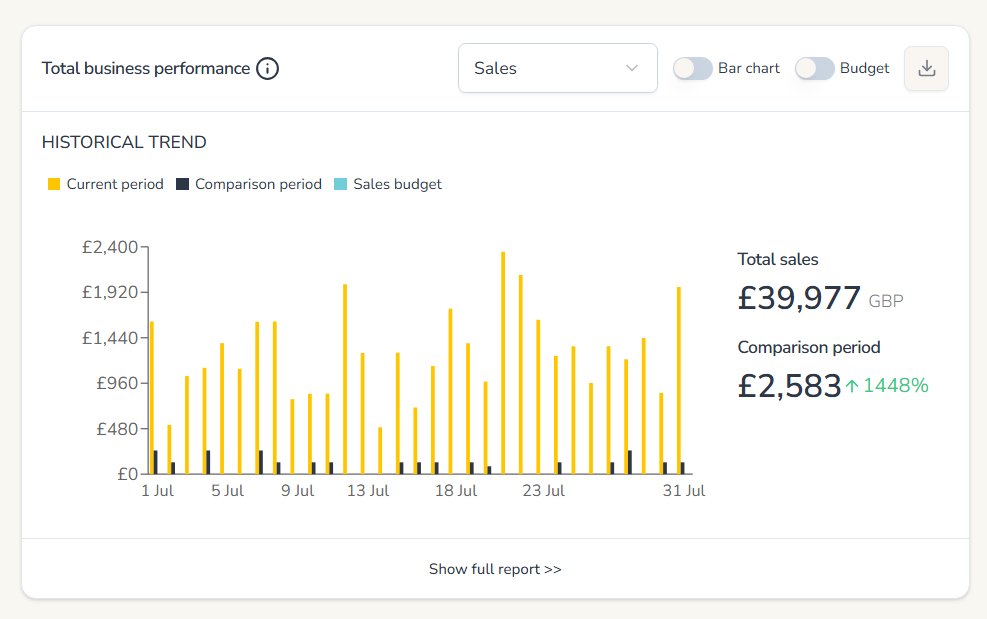
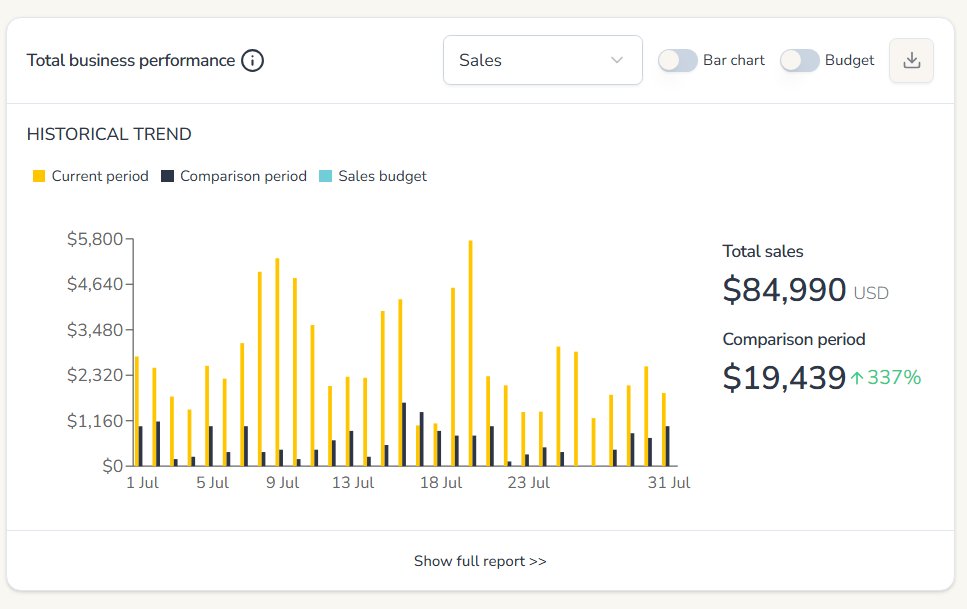
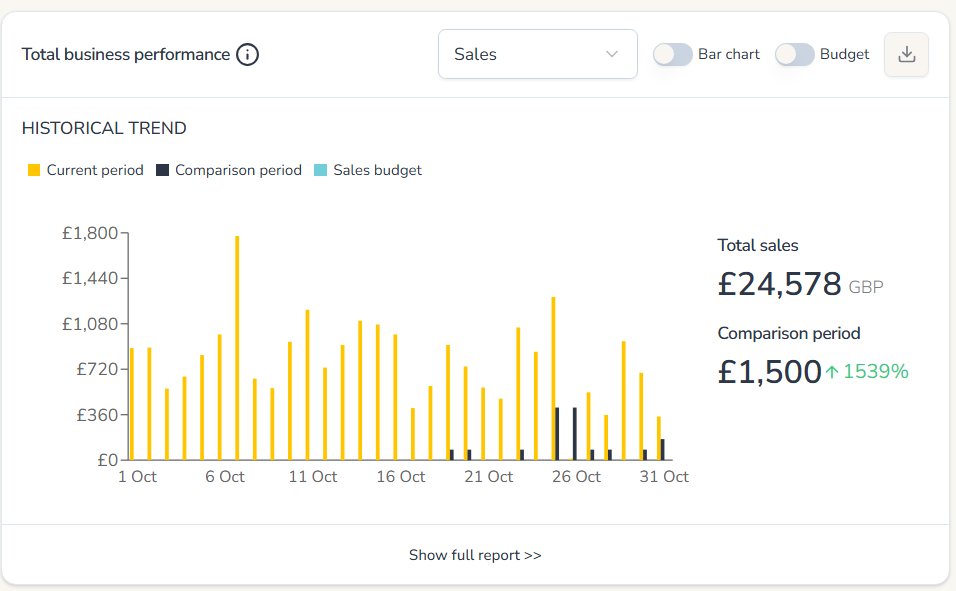
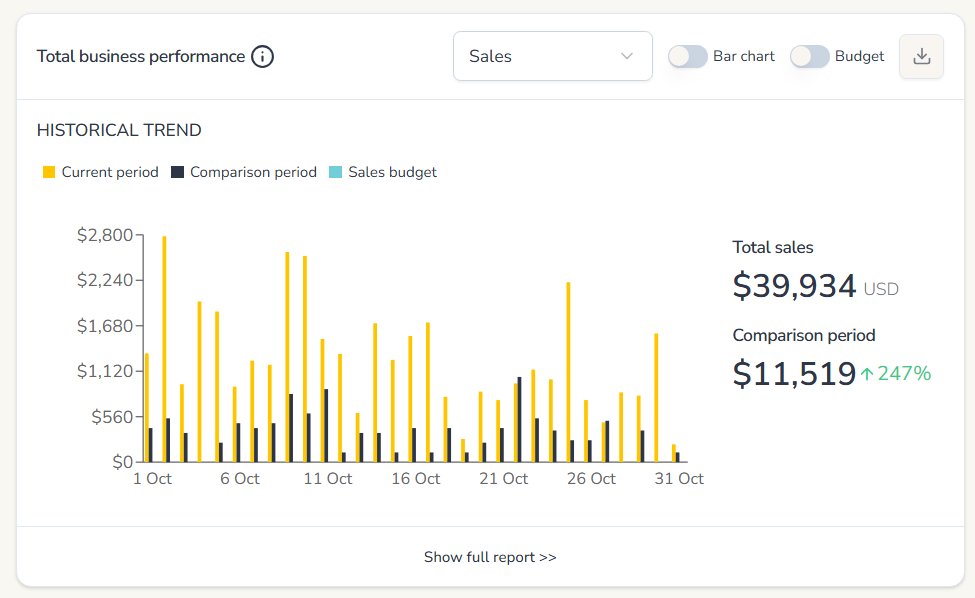
The days surrounding Prime events are operationally tricky. Customers browse but do not buy, while ad costs stay elevated — CPCs spike 60–80% during Prime Day and Q4. Throwing extra ad budget at that window means paying premium prices for low-intent traffic.
The discipline that worked across both events:
- Do not raise bids to compensate for soft sales — you are paying inflated CPCs for browsers, not buyers
- Do not restructure campaigns during the event window — the data is too volatile to optimise against
- Ensure daily budgets can absorb traffic surges without hitting caps mid-day
- Hold full-price positioning — customers who learn you do not discount stop waiting for sales
- Plan inventory for post-event demand, not just event-day demand
✓ Channel partner relationships to protect
✓ Thin hardware-style margins
✓ The discipline to hold pricing when competitors panic-discount
✗ Commoditised "filter by deal" categories
✗ Brands that depend on event badges for visibility because organic rank is weak
A no-discount strategy does not mean ignoring Prime events. It means refusing to let them dictate your pricing, channel relationships, or customer expectations.
Sometimes the event is your best week. Sometimes a regular Tuesday three weeks later beats every event day. Sometimes the post-event recovery is where the real revenue lives. In every scenario above, the brand made more money by not discounting than they would have by participating.
For sellers willing to play the longer game, that is the actual prize.